When to Hire Professional Movers (And When Family Help Actually Works)

Stop Feeling Guilty: A Real Guide to Knowing When You Need Professional Help
Let me tell you about Sarah.
She called us three weeks after her move was "done."
"I threw my back out," she said. "My brother isn't speaking to me because I snapped at him about how he packed the dishes. My husband and I had our worst fight in years over a couch that wouldn't fit through the door. And I still have 47 boxes in my garage I can't even look at."
She paused.
"I should have just hired movers from the start. I thought I was saving money. Instead, I'm paying for physical therapy and marriage counseling."
The Guilt Trap: Why We Think We "Should" Do It Ourselves
There's this weird cultural badge of honor around moving yourself.
"Real adults handle their own moves."
"Hiring movers is wasteful."
"It's just stuff—how hard can it be?"
"My family will help. It's what families do."
Here's the truth: Moving is a full-time job that requires specific skills, equipment, and physical capability.
You wouldn't feel guilty hiring a plumber to fix your pipes. You wouldn't attempt your own dental work to save money. You wouldn't feel like you "failed" by calling an electrician.
So why do we feel guilty about hiring professional movers?
The Real Cost of "Free" Help: What Family & Friend Moves Actually Cost
Let's do the math on that "free" move:
What You Think You're Saving:
- $800-1,500 for professional movers
- "Just the cost of pizza and beer"
What It Actually Costs:
Financially:
- Truck rental: $150-300
- Gas: $50-100
- Equipment rental (dollies, straps): $75-150
- Food for helpers: $100-200
- Damages from inexperience: $200-2,000+
- Injury medical bills: $500-5,000+
- TOTAL: $1,075-7,750
Emotionally:
- Strained relationships from stress and mistakes
- Guilt over "owing" people favors
- Frustration when help doesn't show up or shows up late
- Anxiety about asking friends to lift your heavy furniture
- The awkwardness when someone breaks something
Physically:
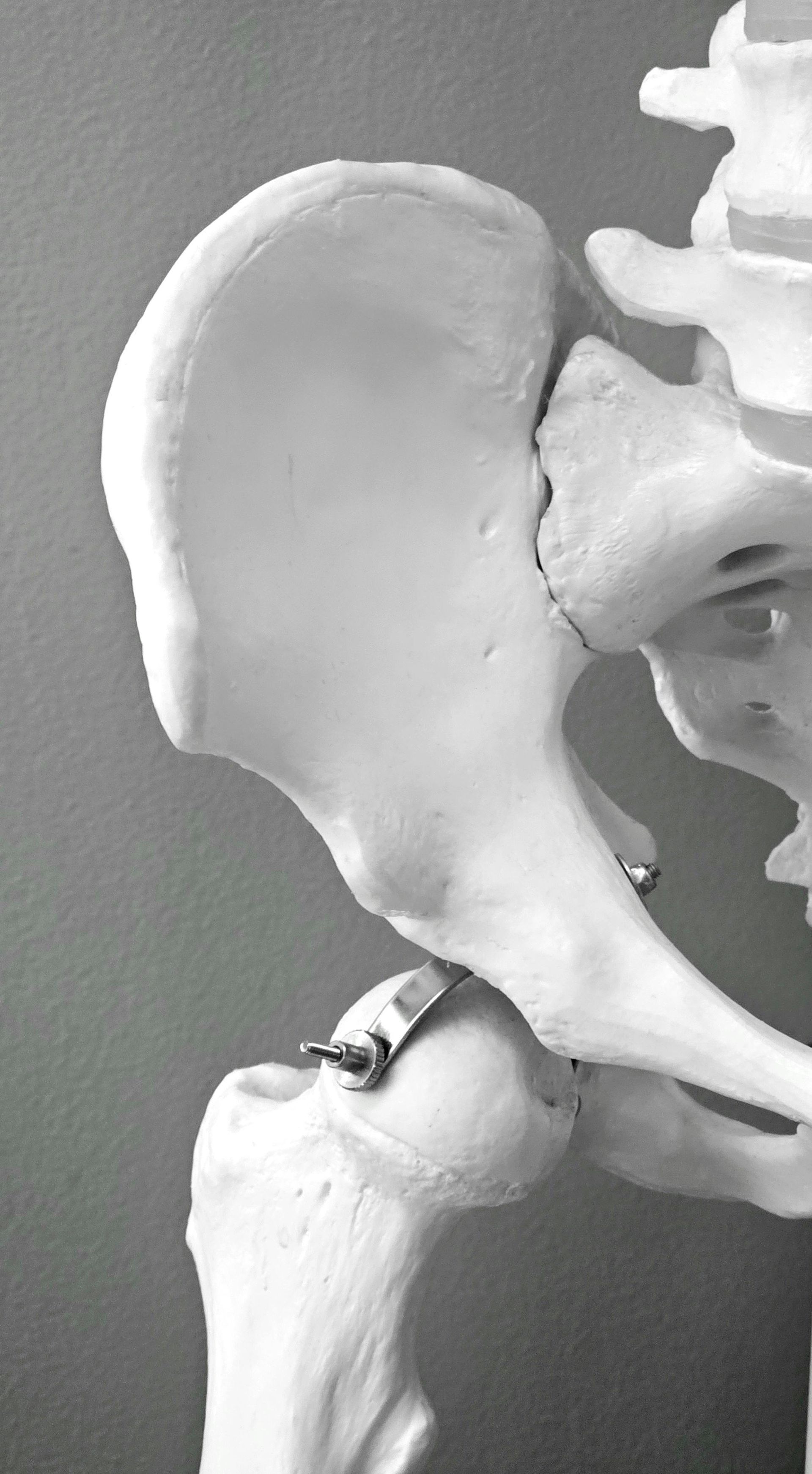
- Your back, knees, and shoulders
- Your friends' backs, knees, and shoulders
- Days or weeks of recovery time
- Potential long-term injury
Time:
- Coordinating schedules
- Making multiple trips
- Figuring out logistics on the fly
- Cleaning up mistakes
- Dealing with broken items
That "free" move just cost you $5,000 and your relationship with your brother-in-law.
When Family Help Makes Sense (And When It Doesn't)
Family Help WORKS When:
✅ The move is small and simple
- Studio apartment to another studio
- Less than 10 boxes and minimal furniture
- Everything fits in one carload
- Ground floor to ground floor
✅ You have genuinely capable helpers
- People who've moved before and know what they're doing
- Physically able to lift safely
- Reliable and will actually show up
- Good under pressure and won't create drama
✅ You have the right equipment
- Proper moving truck (not your friend's pickup)
- Dollies, straps, blankets, and tools
- Someone who knows how to use it all
✅ Everyone's expectations are clear
- Timeline is communicated
- Roles are assigned
- Physical limitations are respected
- There's a plan if something goes wrong
Family Help DOESN'T Work When:
❌ The move is complex
- Multi-story homes
- Large or antique furniture
- Long-distance moving
- Tight staircases or doorways
- Valuable or fragile items
❌ You're dealing with emotional complexity
- Downsizing a parent
- Moving after divorce or loss
- Estate cleanouts
- Memory care transitions
- Time-sensitive situations
❌ Physical limitations exist
- Anyone over 60 doing heavy lifting
- Previous injuries or chronic pain
- Pregnancy
- Health conditions that affect strength or balance
❌ Relationships are already strained
- Family dynamics are tense
- Someone's "helping" out of obligation, not willingness
- You're worried about owing favors
- Past help situations ended badly
❌ You don't have a backup plan
- What happens if someone doesn't show up?
- What if someone gets hurt?
- What if something breaks?
- What if the truck isn't big enough?
The Signs It's Time to Call Professional Movers
Physical Red Flags
🚩
You're over 50 and thinking about lifting furniture
Your body is not a rental truck. Protect it.
🚩
You have a previous back, knee, or shoulder injury
One wrong lift can put you out for months.
🚩
You're pregnant
Not the time to prove you're tough.
🚩
You have health conditions
(heart issues, high blood pressure, chronic pain)
Moving is extremely physical. Don't risk it.
🚩
Your furniture is heavy, antique, or valuable
If you'd cry if it broke, hire someone who's insured.
Logistical Red Flags
🚩
You have stairs—especially narrow or spiral stairs
This is where most DIY moves go catastrophically wrong.
🚩
You're moving more than local (over 50 miles)
Long-distance DIY moves are exponentially harder.
🚩
You have a piano, pool table, or gun safe
These require specialized equipment and training.
🚩
You don't own or can't drive a large truck
Renting a truck you're not qualified to drive is dangerous.
🚩
Your timeline is tight
Professional movers are faster. Period.
Emotional Red Flags
🚩
This move already feels overwhelming
If you're stressed just thinking about it, hire help.
🚩
You're moving a parent or helping with a senior transition
These moves are emotionally loaded. Get professional support.
🚩
You're dealing with grief, divorce, or major life change
You don't need the added stress of a DIY move.
🚩
You dread asking people for help
That's your intuition telling you there's a better way.
🚩
You're trying to prove something
"I can handle this" isn't a good reason to hurt yourself.
What Professional Movers Actually Do (That You Can't)
We Have the Equipment
- Proper dollies and hand trucks
- Furniture pads and straps
- Tools for disassembly and reassembly
- Ramps and lift gates
- Protection materials
We Have the Training
- Safe lifting techniques
- How to navigate tight spaces
- Protecting floors, walls, and doorframes
- Efficient packing and loading
- Problem-solving on the fly
We Have the Experience
- We've moved thousands of homes
- We know how to move pianos, pool tables, and safes
- We can look at your stuff and know exactly what it needs
- We've seen every possible complication and know how to handle it
We Have the Insurance
- If we break something, we fix it
- If someone gets hurt, we're covered
- You're not liable for injuries
- Your belongings are protected
We Save You Time
- What takes you and friends 12-16 hours takes us 4-6 hours
- We do it in one trip, not three
- We don't need breaks every 20 minutes
- We don't stand around debating how to fit things
How to Pick the RIGHT Professional Movers
Not all moving companies are created equal. Here's what to look for:
Non-Negotiables
✅
Licensed and insured
(check USDOT and MC numbers)
✅
Real reviews on multiple platforms
(Google, Yelp, Facebook)
✅
Transparent pricing
(no hidden fees or surprise charges)
✅
Answers your questions
(doesn't rush you off the phone)
✅
Communicates clearly (you understand what you're getting)
Green Flags (Good Signs)
🟢
They ask about your specific situation
Good movers customize, they don't just quote square footage.
🟢
They're honest about what they can and can't do
Honesty over making a sale.
🟢
They explain their process
You should understand how moving day will work.
🟢
They don't pressure you
Respect for your timeline and decision-making.
🟢
They have specialized experience for your situation
Senior moves, memory care, estates—find the right fit.
Red Flags (Run Away)
🚩
Quotes that seem "too good to be true"
They probably are. You'll pay more on moving day.
🚩
No physical address or local presence
Fly-by-night operations.
🚩
Can't provide proof of insurance
You're taking all the risk.
🚩
Aggressive sales tactics
Good movers don't need to pressure you.
🚩
No references or terrible reviews
Listen to other people's experiences.
When Hybrid Approaches Work
Sometimes the answer is somewhere in the middle:
You Can DIY:
- Packing your own clothes, linens, and non-fragile items
- Packing non-valuable books and decorative items
- Moving small items in your car
- Setting up your new place after movers leave
- Unpacking at your own pace
Leave to the Pros:
- Heavy furniture
- Appliances
- Fragile or valuable items
- Anything requiring disassembly
- Loading and unloading the truck
- The actual driving of large vehicles
- Navigating stairs and tight spaces
This can be the sweet spot: You save some money on packing while professionals handle the physically demanding and risky parts.
The Guilt-Free Guide to Hiring Help
Permission Slips You Need to Hear
Permission to prioritize your body.
You only get one back. Treat it accordingly.
Permission to value your time.
Your time has worth. Spending 16 hours DIY moving when you could work, rest, or be with family is a trade-off.
Permission to avoid family drama.
Protecting your relationships is more important than saving $800.
Permission to acknowledge your limitations.
Not being able to move a piano by yourself doesn't make you weak—it makes you human.
Permission to invest in peace of mind.
The mental load of orchestrating a DIY move is exhausting. That has value.
Permission to say "this is hard."
Moving is legitimately difficult. Admitting that isn't failure.
What to Say When People Judge
"Why are you paying movers? I'll help you!"
"I really appreciate that, but I've decided to hire professionals this time. It takes the pressure off everyone."
"You're wasting money. Moving is easy."
"I'm investing in my health and sanity. That's not waste to me."
"We moved ourselves and it was fine."
"That's great that worked for you. I'm making a different choice."
"You're being dramatic. It's just moving."
"Maybe for you. For me, it's worth getting help."
You don't owe anyone an explanation for taking care of yourself.
The Bottom Line: Asking for Help Is the Adult Thing to Do
Maturity isn't doing everything yourself.
Maturity is knowing when you need help and asking for it.
Strong people:
- Know their limitations
- Protect their bodies
- Value their relationships
- Invest in solutions that work
- Don't let ego make decisions
Hiring movers doesn't mean you're weak, lazy, or incapable.
It means you're:
✅ Smart about resource allocation
✅ Protective of your physical health
✅ Respectful of others' time and bodies
✅ Realistic about complexity
✅ Willing to invest in peace of mind
You Deserve Support During Life Transitions
Moving is one of life's most stressful events—right up there with death, divorce, and job loss.
You wouldn't navigate those alone without support. Why navigate moving alone?
Whether you're:
- Downsizing after decades in a family home
- Moving a parent to senior living
- Relocating for a new job
- Starting over after loss or divorce
- Just moving across town
You deserve help that:
- Protects your body
- Respects your belongings
- Honors the emotional weight of transition
- Makes a hard day easier
- Lets you focus on what matters
That's not indulgence. That's wisdom.
Ready to Let Go of the Guilt?
If you've been debating whether to hire movers, this is your sign.
Your back will thank you.
Your relationships will thank you.
Your sanity will thank you.
And you'll wonder why you ever considered doing it any other way.
Want to understand the legal and financial risks of DIY moving? Read our companion article: The Hidden Liability Risks of DIY Moving (What No One Tells You)
Talk to Us About Your Move
📞
Call/Text:
207-502-4035
📧
Email:
info@sbtaylortransport.com
🌐
Visit:
www.sbtaylortransport.com
S.B. Taylor Moving
Pink Glove Moving Services
USDOT #3771801 | MC #1351280
Licensed | Insured | Woman-Owned
Serving York & Cumberland Counties, Maine
No judgment. No pressure. Just honest guidance about what your move actually needs.
Because asking for help isn't giving up—it's being smart.