When a Lifetime Fits in Boxes: The Day Pink Glove Was Born
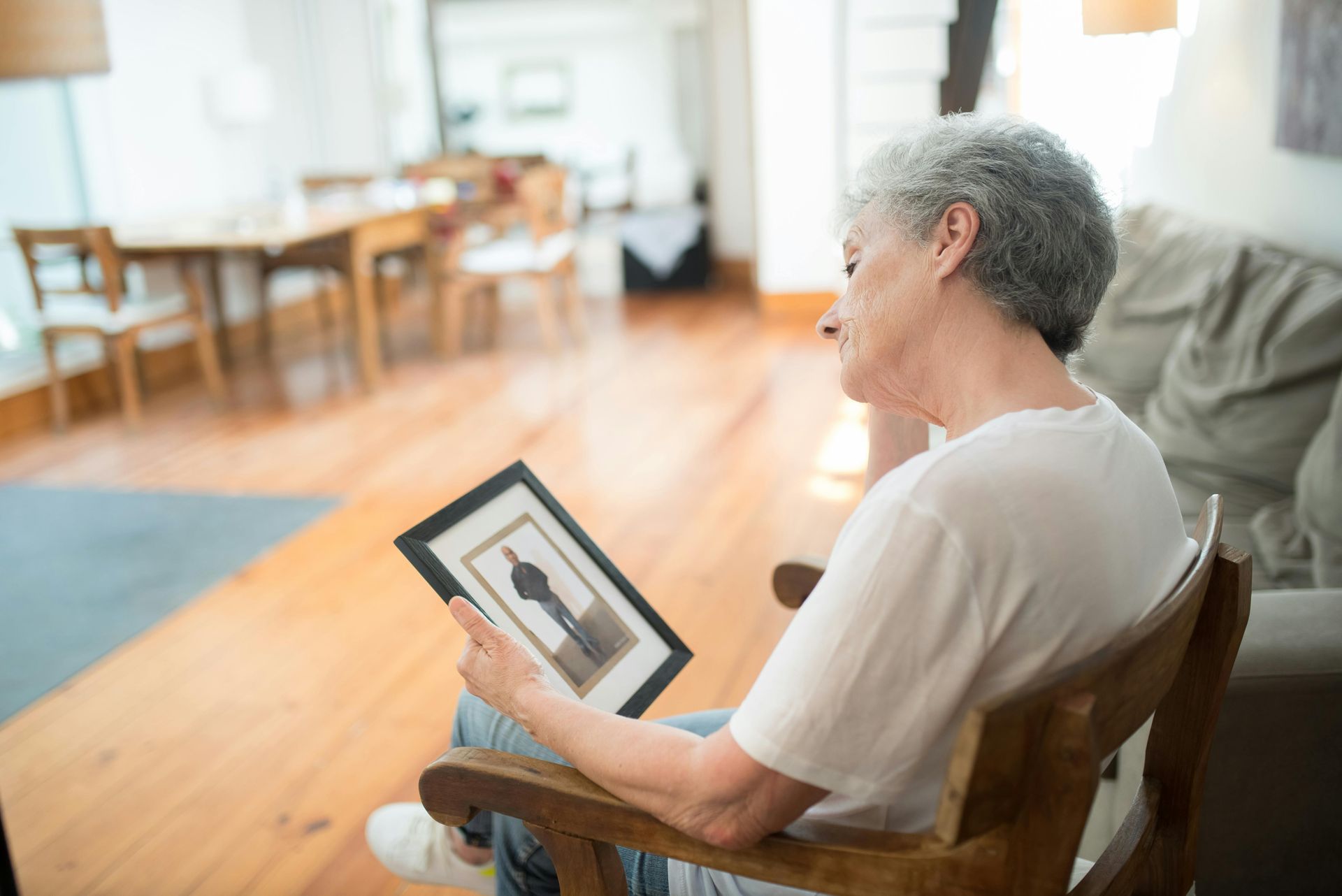
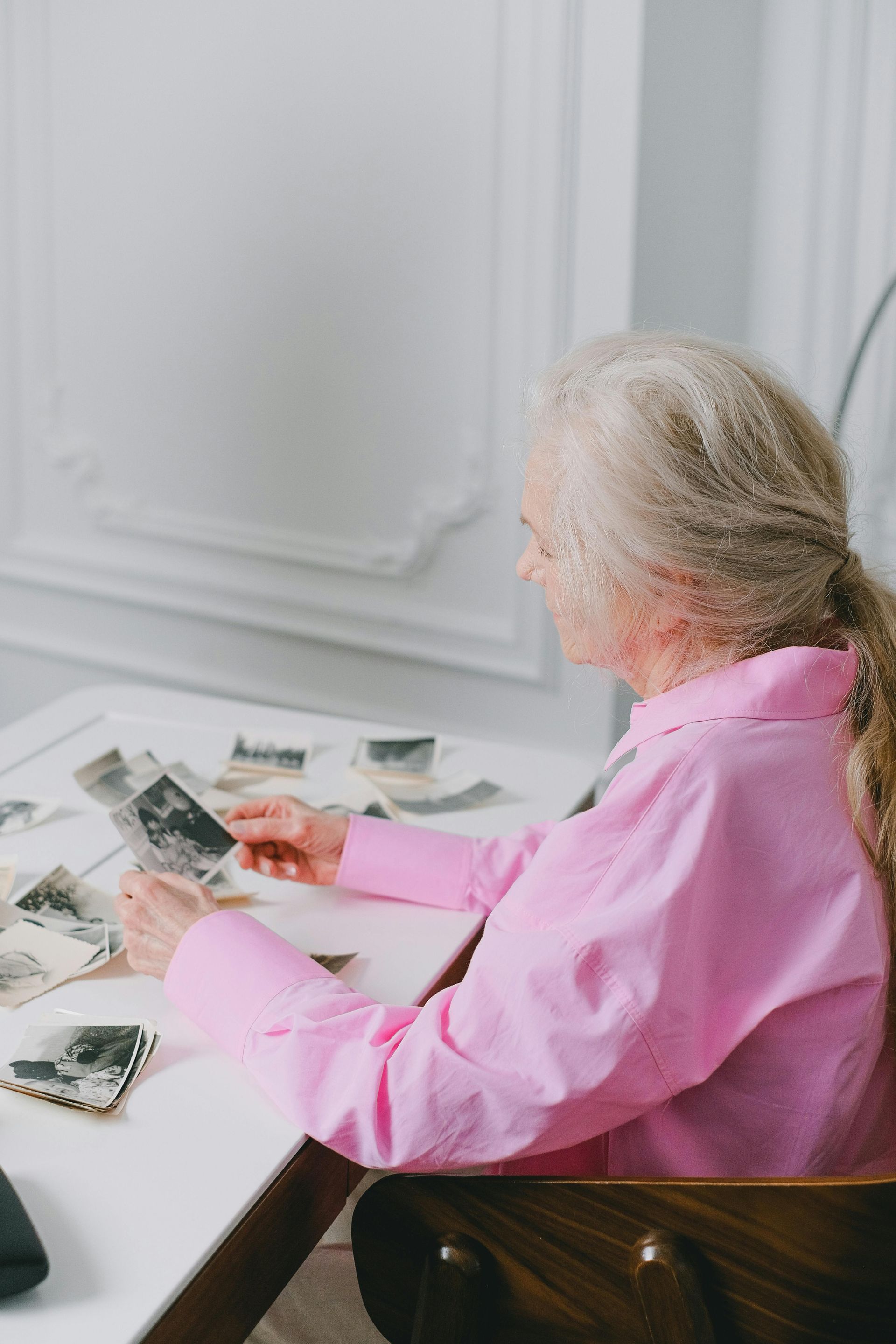
She sat in her dining room, frozen.
Eighty-three years old, surrounded by boxes we'd carefully labeled, and she couldn't move. Couldn't decide. Couldn't breathe.
"I don't know what to do," she whispered. "I've lived here for 47 years. How do I choose what matters?"
Most moving crews would have checked their watches. Pushed for decisions. Reminded her we were on the clock.
We pulled up chairs and sat down.
This Is Where Pink Glove Really Started
Not with a business plan or a marketing meeting. But in moments like these—when I realized the moving industry was missing something fundamental.
People don't just need movers. They need someone who understands that moving isn't about furniture. It's about life transitions.
Before Steven and I founded S.B. Taylor Moving, I spent 20 years as a CNA in memory care units, hospice rooms, and veteran facilities across Maine. I learned that how you touch someone's belongings is how you touch their dignity.
I'd watch families navigate impossible decisions:
What do we bring to Mom's new memory care room?
How do we pack Dad's house after he's gone?
Which of these items will trigger memories versus confusion?
And I'd think: Where are these skills when people are moving? Why does the moving industry treat life transitions like logistics problems?
The Woman Who Couldn't Decide
Back in that dining room, my crew and I sat with her for 20 minutes.
We didn't rush. We didn't sigh. We didn't check our phones.
We asked questions:
"Tell me about this table. Where did it come from?"
"Do you have family who might want these dishes?"
"What room in your new place makes you feel most excited?"
Slowly, she started talking. Then deciding. Then even smiling.
"You know what?" she finally said. "I think I'm ready."
We weren't just movers in that moment. We were witnesses to her courage.
When we finished setting up her new apartment—furniture arranged just so, family photos exactly where she could see them from her favorite chair—she hugged me.
"You made this feel possible," she said. "I was so scared. But you treated this like it mattered."
It Does Matter. That's Pink Glove.
White glove service in the moving industry means: careful handling, premium materials, attention to detail.
Pink Glove means all of that plus understanding the human being behind the move.
Pink is:
Sitting down when someone needs a moment
Asking about the story behind the china cabinet
Working at the pace of grief, not the pace of efficiency
Bringing healthcare-level compassion to furniture logistics
It's white glove service with a heart.
The Memory Care Move That Changed Everything
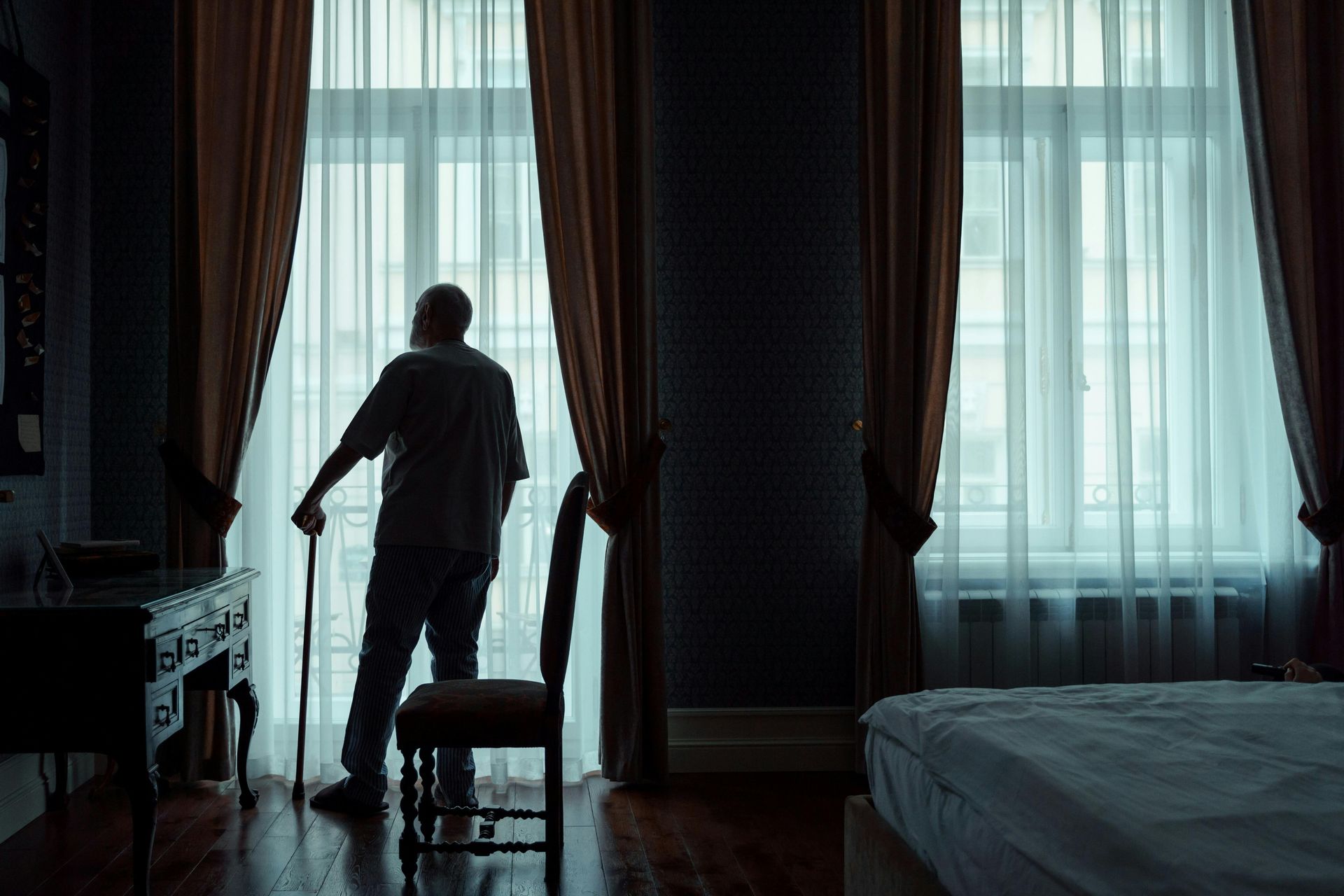
A few months after that downsizing job, we got a call from a family moving their mother into memory care.
"She has Alzheimer's," the daughter explained. "She's confused about why we're packing her things. Other movers we called said they 'don't do that kind of move.' Can you help?"
Could I help?
I'd spent two decades in memory care. I knew:
How to speak calmly when someone's agitated
Why you narrate what you're doing before you do it
That "confused" doesn't mean "incapable of feeling"
Which items provide comfort versus trigger distress
This wasn't just a move I could do. This was a move I was trained for.
What Healthcare Taught Me About Moving
When we arrived at their home, Mom was sitting in her recliner, visibly anxious.
I knelt down to her eye level.
"Hi, I'm Brie. We're going to help you move some of your favorite things to your new room today. Is that okay?"
She nodded, uncertain.
Here's what I did differently because of my CNA background:
I involved her in decisions - even small ones gave her agency
"Do you want your blue blanket or your yellow one in the truck first?"
"Should we wrap your photos now or after lunch?"
I narrated everything - reducing fear of the unknown
"I'm going to pick up this box now and put it in the truck."
"We're taking a break. We'll be right back."
I watched for agitation triggers and adjusted
When she got upset seeing her bedroom packed, we moved to another room
When she asked the same question five times, I answered patiently five times
I coordinated with the facility about her routines
What time she usually napped (we planned around it)
Which side of the bed she slept on (we set it up that way)
Her favorite photos (we placed them where she'd see them first)
When we finished setting up her new room, she looked around and said, "This feels like home."
Her daughter cried.
That's when I knew Pink Glove wasn't just nice—it was necessary.
Why "Pink Glove" and Not Just "Good Service"?
Because words matter. Standards matter. Training matters.
I could say we provide "compassionate moving" or "careful service," but those terms are vague. Everyone claims them.
Pink Glove is specific. It means:
✅ Healthcare-informed protocols for vulnerable populations
✅ Trauma-aware practices for emotionally complex moves
✅ Communication that adapts to how you process information
✅ Patience that isn't conditional on staying on schedule
✅ Expertise that comes from 20 years of caregiving, not just moving
It's the difference between:
A mover who's "dealt with seniors before"
A CNA who spent two decades in memory care and hospice
Pink Glove is the standard we hold ourselves to every single day.
What Pink Glove Looks Like in Practice
We Ask Before We Touch
Especially in estate cleanouts, senior transitions, or women leaving difficult situations—consent and control matter.
"Is it okay if we start in this room?"
"Do you want to be present when we pack this?"
"Are there items you'd prefer to move yourself?"
We Meet You Where You Are
Some clients need to email every detail. Some need to text at midnight. Some need a long phone conversation.
We adapt to you, not the other way around.
No automated follow-ups. No spam. No pressure.
We Protect What Matters
That box might look random. But it could contain 60 years of love letters.
We treat everything as irreplaceable because to someone, it is.
We Work at Your Pace
Need to take breaks? Say goodbye to rooms? Process emotions that surface?
We're there for it. Because moving isn't just physical—it's emotional.
The Moves That Need Pink Glove Most
- Memory Care Transitions
When dementia or Alzheimer's makes moving confusing and frightening, my CNA training becomes essential. I know how to reduce agitation, maintain dignity, and create familiarity in new spaces.
- Estate Cleanouts After Loss
Grieving while sorting a lifetime of belongings is overwhelming. We hold space for emotions, never rush decisions, and honor the life being remembered.
- Senior Downsizing
Leaving a longtime home is profound even when it's the right choice. We bring patience for decisions that carry decades of memory.
- Women in Transition
Sometimes moves need to happen quickly and quietly. We provide safe, judgment-free support without needing all the details.
We're Trademarking Pink Glove Because It's Who We Are
This isn't a marketing campaign. It's our operational identity.
Every crew member is trained in these approaches. Every move is filtered through this standard. Every decision asks:
"Is this just meeting industry expectations, or is this actually serving the human being in front of us?"
Your Move Deserves More Than Efficiency
It deserves someone who understands that boxes contain more than belongings—they hold identity, memory, courage, and new beginnings.
That's
Pink Glove.
That's S.B. Taylor Moving.
That's what 20 years of caregiving brings to the moving industry.
Ready to Experience Pink Glove?
📞 Call/Text:
207-502-4035
📧 Email:Info@sbtaylortransport.com
🌐 Visit:www.sbtaylortransport.com
USDOT #3771801 | MC #1351280
Licensed | Insured | Woman-Owned
Serving York & Cumberland Counties, Maine