When Moving to Assisted Living Was the Best Thing That Ever Happened
I was visiting one of the assisted living communities we work with last week when one of the residents spotted me in the lobby and grabbed me in a hug. "Brie! You know, we should have moved here six months sooner. I'm more social now than I've been in twenty years.
This place is like a permanent vacation."
This isn't unusual. I hear this a lot.
I stay in touch with the facilities we move people into. I visit those communities regularly. And I love saying hello to clients we've moved—seeing how they've settled in, whether they're thriving.
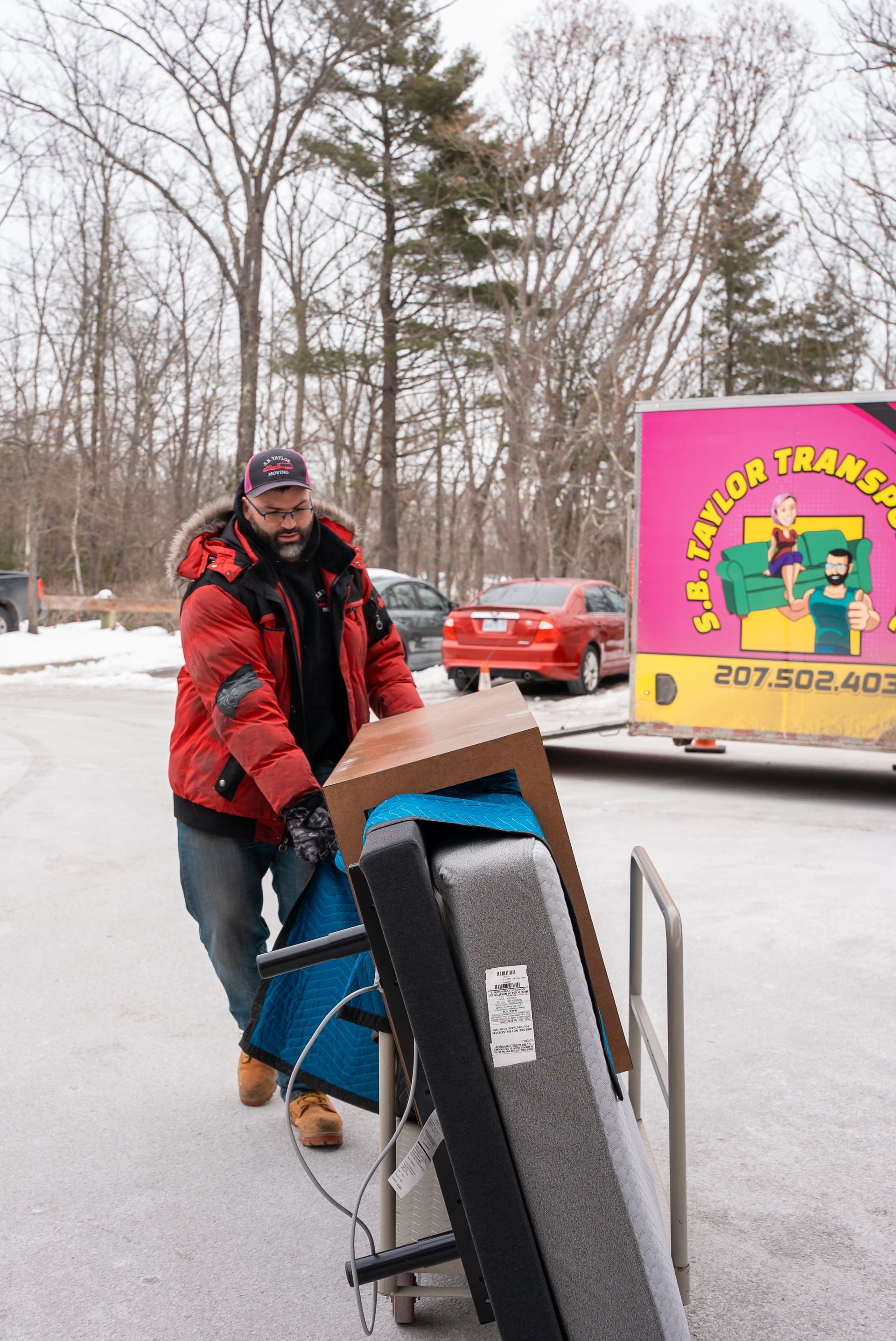
After 20 years as a CNA and now running a moving company that specializes in senior transitions, I've seen both sides: the families who resist until crisis forces their hand, and the seniors who settle in and absolutely thrive.
The Reality Nobody Talks About: Some Seniors Are Happier After They Move
We talk a lot about how hard these transitions are. And they are hard—emotionally, logistically, financially. But here's what we don't talk about enough:
A lot of seniors end up living their best life after moving to the right community.
Not all of them. Not immediately. But more often than you'd think.
What "Living Alone" Actually Looked Like
Before one woman moved to assisted living, she was "independent" in her house. Which meant:
- She spent most days alone watching TV
- She'd stopped cooking real meals—cereal for dinner was common
- Her friends had either moved away or passed away
- She wasn't driving anymore, so errands required coordinating with family
- She was lonely but wouldn't admit it
- Family visited when they could, but everyone was busy
Her kids thought they were honoring her independence by letting her stay home. What they were actually doing was leaving her isolated.
What Happened After She Moved
Within three months of moving to assisted living:
- She'd made friends with her neighbors—actual friends, not just people she waved to
- She was going to movie nights, trivia competitions, exercise classes
- She was eating three real meals a day that she didn't have to cook
- She'd joined a book club
- She was getting her hair done at the salon in the building
- She had activities directors planning things she actually wanted to do
- She knew everyone's name (they all wear name tags)
She was more social at 87 than she'd been at 75.
And the best part? When her family visited, they could actually spend time together instead of running errands, cleaning her house, and worrying about whether she'd eaten.
The Cruise Ship Lifestyle Some Facilities Offer
Some of these communities—particularly the nicer independent and assisted living facilities—are set up like cruise ships.
Everything you need is inside the building:
- Restaurant-style dining with actual menus and choices
- Fitness centers with classes designed for seniors
- Movie theaters showing classic movies old and new
- Libraries, craft rooms, game rooms
- Convenience stores for snacks and essentials
- Beauty salons and barber shops
- Housekeeping and laundry services included
- Scheduled transportation for appointments and shopping
- Activities morning, noon, and night if you want them
You don't need to leave. But you can when you want to.
One resident told me, "It's like living on a cruise ship, except I don't get seasick and I can decorate my own cabin."
Why Some Seniors Thrive
Built-in social life: You don't have to make plans or coordinate schedules. Just walk down to the common room and people are there. Making friends at 85 is easier when everyone lives in the same building.
No maintenance stress: The roof leaks? Not your problem. Lawn needs mowing? Someone else handles it. Furnace breaks in February? You call the front desk.
Safety without surveillance: Help is available 24/7, but nobody's helicoptering over you. You have independence within a safety net.
Things to do that you actually want to do: Not just bingo (though there's bingo if you want it). Live music, guest speakers, trips to museums and restaurants, gardening clubs, art classes.
Regular meals you didn't have to cook: This matters more than people think. When was the last time your parent cooked a real meal? Now they're eating balanced meals three times a day and they don't have to grocery shop, cook, or clean up.
Community instead of isolation: Aging alone in a house is lonely. Aging in a community where everyone's in the same boat? That's different.
The Timing That Works Best
Here's what I've noticed after hundreds of these moves:
The families who wait until crisis—fall, hospitalization, dementia crisis—often struggle more. The senior is moving from trauma, grieving their independence, angry about losing control.
The families who move proactively—before crisis hits—often see their parents thrive. The senior still has the cognitive and emotional capacity to adjust, make friends, and embrace the change.
I've had residents tell me they wished they'd moved sooner because by the time they did, they'd already been isolated for years. They'd forgotten how to be social. It took months to come out of their shell.
The sweet spot is when your parent is still capable of adjustment but before they're in crisis.
It's Not All Perfect
I'm not painting fairy tales here. Not every senior thrives. Not every facility is a cruise ship. And even the good transitions have hard moments.
Some seniors never quite adjust. Some fight it the whole way. Some make friends and then lose those friends as people decline or pass away—which brings its own grief.
But the success stories are real and they're more common than people think.
What the Successful Transitions Have in Common
When I look at the situations where seniors ended up thriving, here's what happened:
1. They chose the right community for their personality
Social butterfly? A place with tons of activities. Introvert who likes quiet? A smaller, calmer community. Active and mobile? Independent living with optional services. Needing daily help? Assisted living with appropriate care levels.
2. They visited multiple places and had input in the decision
Even when resistant, being involved in the choice helped. "Which place do you hate least?" is better than "We picked this one for you."
3. They moved before crisis forced it
Planned transitions go better than emergency ones. Every time.
4. Family stayed involved without hovering
Regular visits, but not so much that Mom never made friends because "my daughter does everything for me."
5. They gave it time
Most successful adjustments took 3-6 months. Not three weeks.
The Residents Who Hug Me When They See Me
I visit the facilities we work with regularly. I like staying in touch, checking in on how things are going. And I love running into residents we've moved.
Some of them hug me when they see me because I was there on one of the hardest days of their life—and now they want to tell me it worked out.
They were angry at the time. They didn't want to leave their house. They fought their kids about it. The moving day was emotional and hard.
Six months later? "Best thing that ever happened to me. Wish I'd done it sooner."
Not because they stopped missing their house. But because they were eating better, socializing more, safer, and honestly happier than they'd been in years.
And their families could visit as their children again instead of as worried caregivers managing everything.
When It's Time
If your parent is:
- Increasingly isolated and lonely
- Not eating real meals regularly
- Struggling with home maintenance
- Having mobility issues that make their house unsafe
- Showing early cognitive decline
- Spending most days alone watching TV
It might be time to start looking. Not waiting for crisis. Just looking.
Visit communities together. Have lunch at their dining rooms. Watch how residents interact. Ask about activities. See if your parent lights up at all or if they're just being dragged along.
Sometimes the right move at the right time changes everything.
We Help Make Good Transitions Happen
Not every move is crisis-driven and traumatic. Some are planned, thoughtful transitions where everyone ends up better off.
We've moved seniors who were excited about the pool and the art studio. Who couldn't wait to join the book club. Who were ready to stop maintaining a house and start living.
Those moves feel completely different.
Still emotional—leaving a home of 40 years is always emotional. But hopeful instead of desperate. Forward-looking instead of grief-stricken.
If you're in the early stages of thinking about this, call us anyway. We can help you think through timing, what to look for in communities, how to have the conversation with your parent.
Sometimes the best move is the one that happens before you have no choice.
We're based in South Portland, serving York and Cumberland counties. Call S.B. Taylor Moving at 207-502-4035.
We've seen too many people tell us "I wish I'd done this sooner" to not encourage you to at least start exploring before crisis makes the decision for you.
There we go - the RESIDENTS are the ones hugging you and telling you they're thriving. That's way more powerful than family members saying it.