Before You Call a Junk Hauler, Read This
A few months ago, a woman called me on a Tuesday afternoon. She was crying before she even got her name out.
Her father had passed away two weeks earlier. He'd lived alone in the same house in Scarborough for thirty-one years. Three bedrooms, a basement full of tools, a garage you couldn't walk through, and a kitchen that still smelled like his coffee. She lived in Massachusetts, her brother was in North Carolina, and neither of them had been able to come up yet. The estate attorney told them the house needed to be emptied before it could go on the market.
So her brother called a junk hauler.
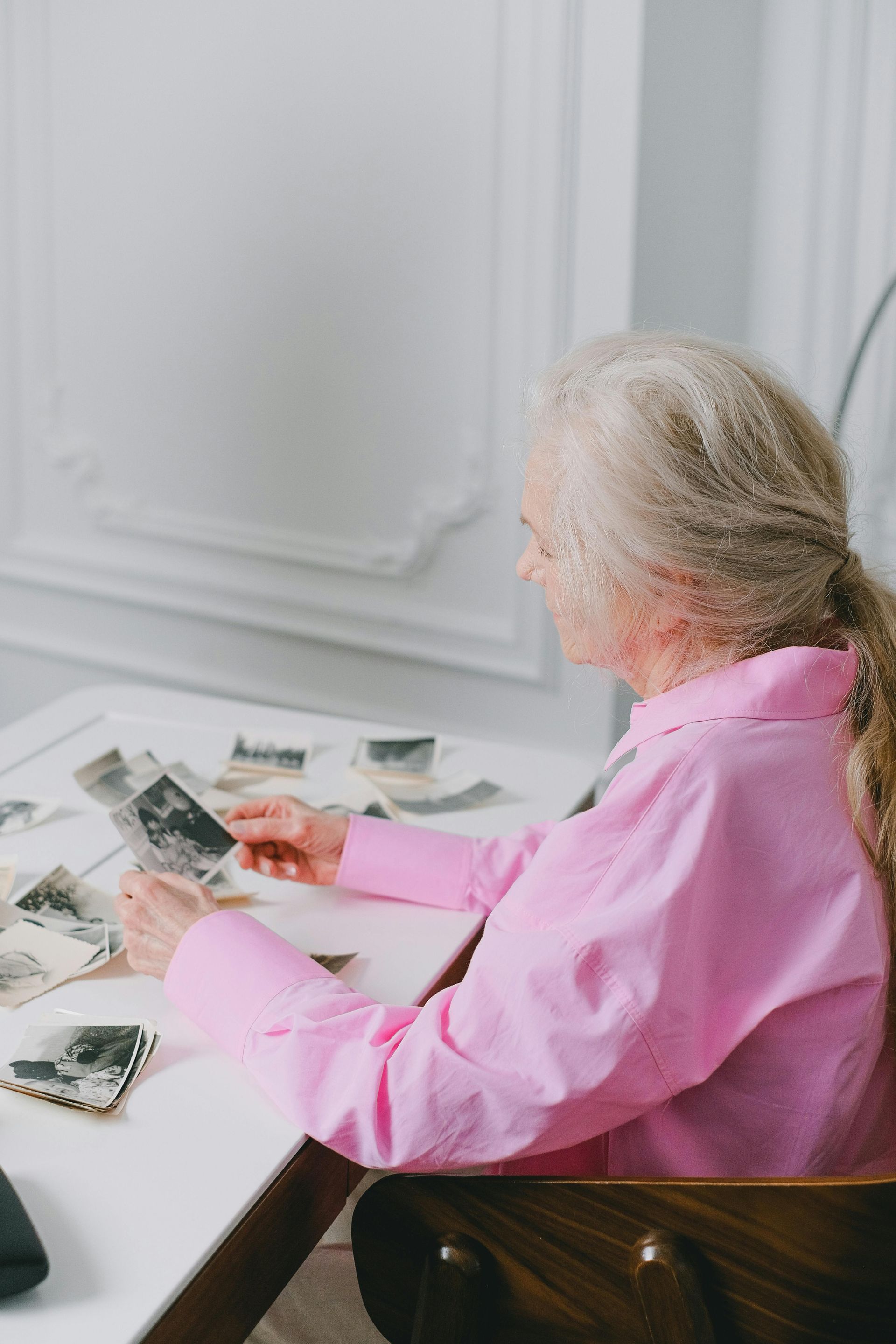
She told me they backed a truck into the driveway on a Saturday morning and started carrying things out. The recliner her dad sat in every night. The workbench he built with his own hands. Boxes of photos that nobody had gone through yet. Her mother's dishes — her mother had been gone fifteen years and her dad never got rid of them.
It all went in the truck.
She wasn't there when it happened. Her brother sent her a photo of the empty house when it was done. Clean floors. Bare walls. Nothing left. He thought she'd be relieved.
She called me because she couldn't stop thinking about where it all went.
I hear some version of this story more often than you'd think. The details change — sometimes it's a spouse, sometimes a grandparent, sometimes it's someone going through a divorce and they just needed the house cleared fast. But the feeling afterward is almost always the same. It's this pit in your stomach when you realize that everything that person owned, everything they touched and used and loved, is sitting in a landfill somewhere off the turnpike.
And the hardest part is, it didn't have to be.
I spent twenty years as a CNA. I worked in memory care, hospice, and veteran facilities. I've helped people get dressed on their last good morning. I've held hands when families couldn't be there. And eventually, I started a moving company — because I realized that the way we move people and their belongings during life's hardest transitions matters just as much as how we care for them at the bedside.
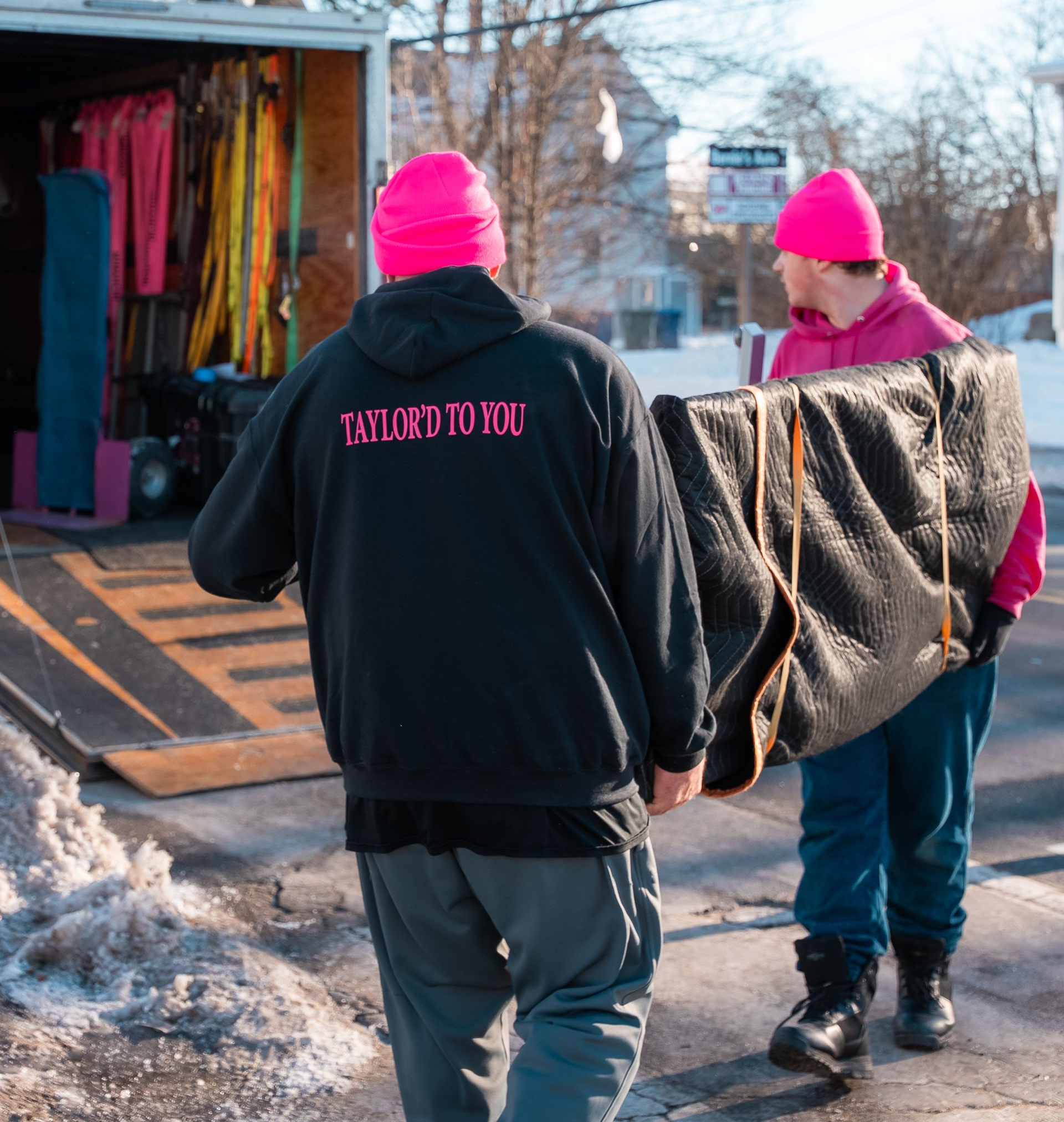
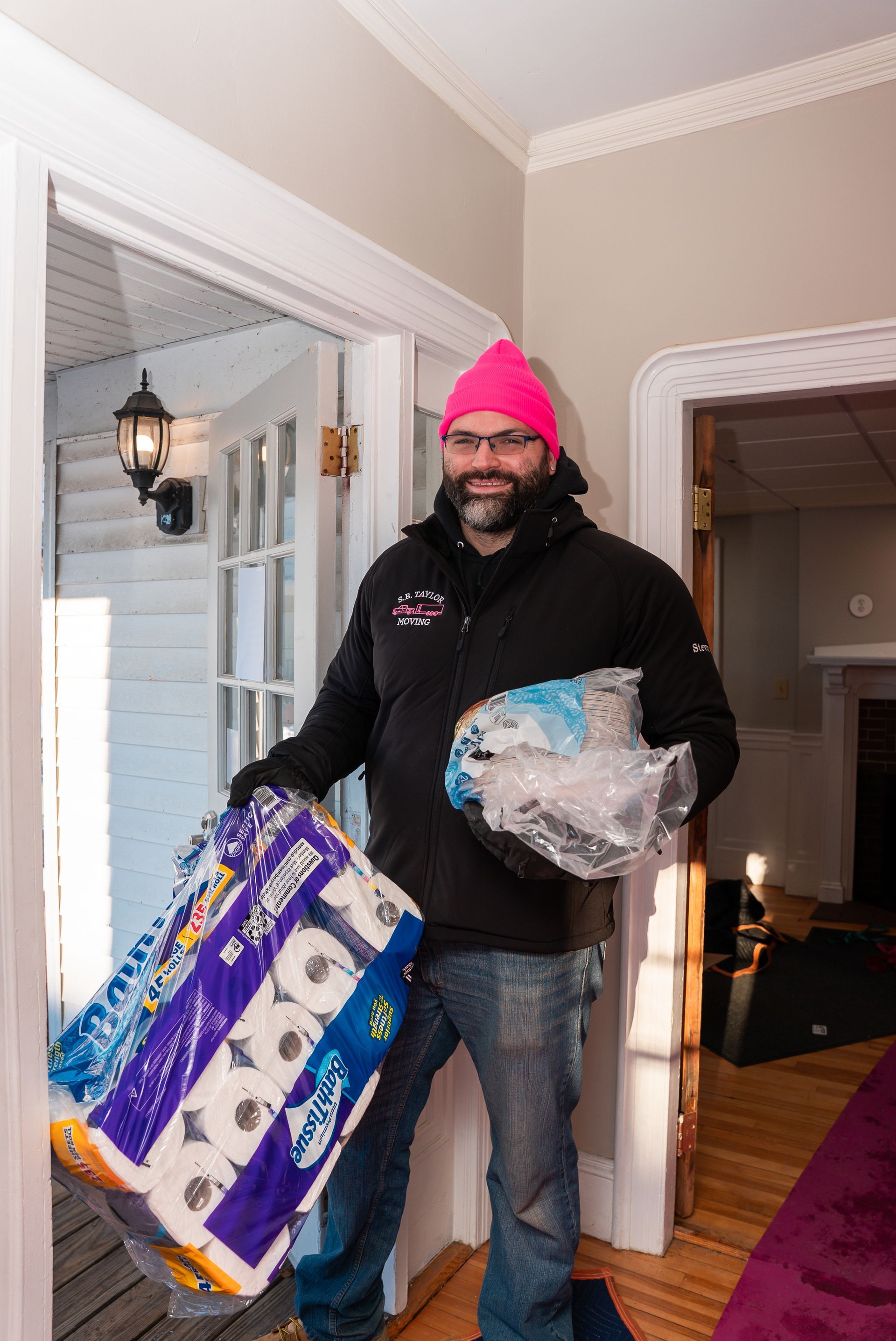
When my team walks into a home that needs to be emptied, we don't show up with a dumpster. We show up with the understanding that a life was lived here.
We go room by room. We sort through everything — not with a trash bag and a timeline, but with intention. What does the family want to keep? What still has life in it? What can go to a shelter, a thrift store, a church, a neighbor? Your dad's recliner doesn't need to end up in a landfill. It can end up in a living room where someone needs it. Your mom's dishes can end up on a table where a family sits down together. The winter coats in the hall closet can keep someone warm this year.
That's not a service line on our website. That's just how we think about it.
Here's something people don't expect from us — if we find things we think you might want, we set them aside. Photos tucked in a drawer. A handwritten letter folded into a book. A ring in a cigar box in the back of the garage. We don't toss those things.
We stop, we set them aside, and we let you decide.
If there's something specific you're looking for — your grandmother's brooch, a military pin, a particular photo album — tell us.
We can't promise we'll find it. But we can promise we'll be looking for it the entire time we're in that house.
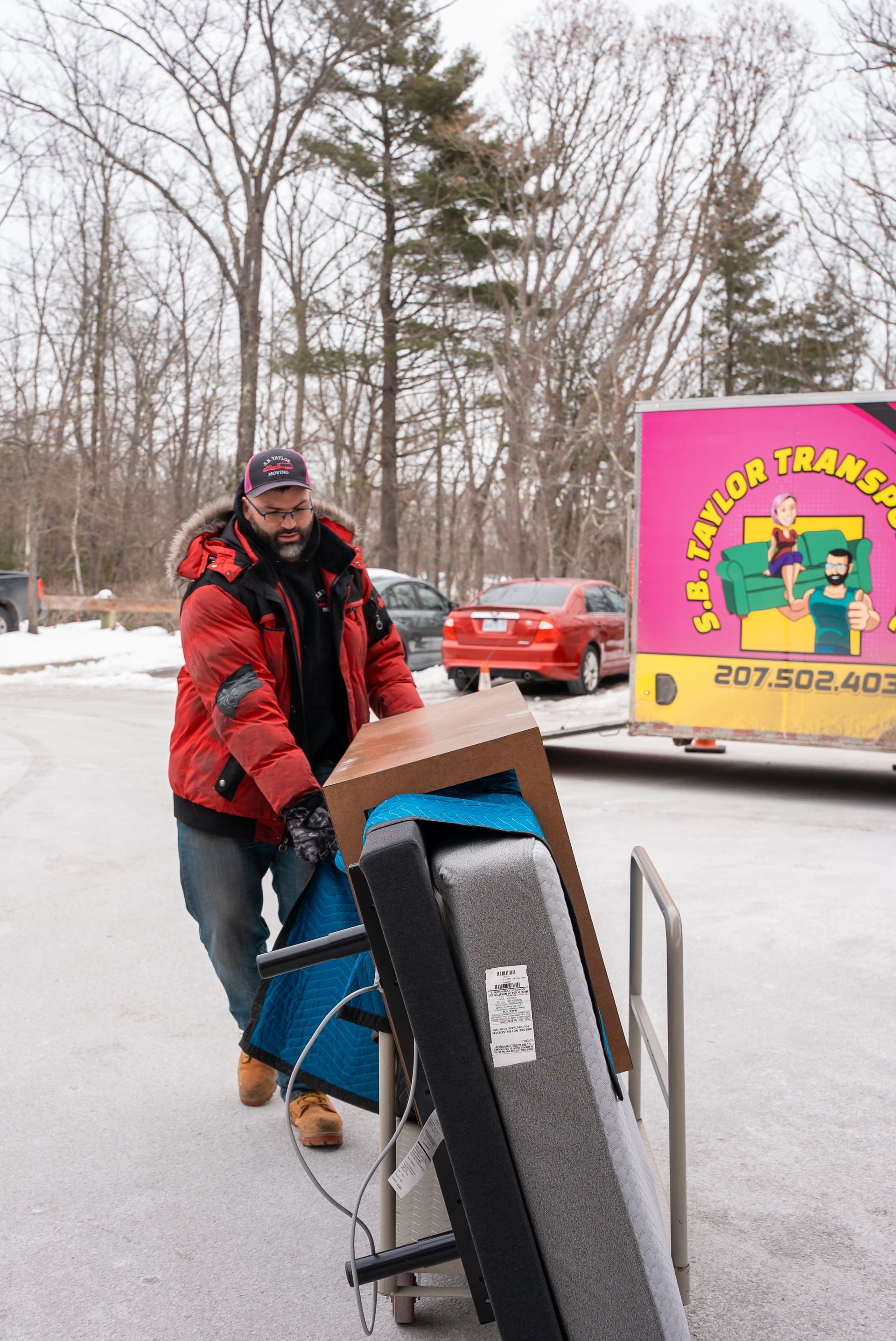
And when we find things worth keeping, we figure out the best way to get them to you. If it's a truckload or a trailer full of furniture, we'll deliver it wherever you need it — your home, a family member's house, a storage unit. If it's something small like a handful of photos or a piece of jewelry, we'll box it up and mail it to you. We're not going to charge you for a delivery when a flat rate envelope makes more sense. It's not about the transaction. It's about getting the right things to the right people.
Maine is a place where people care about this kind of thing. We pass things down. We drop bags on each other's porches. We leave furniture at the end of the driveway with a "FREE" sign because we know somebody's going to need it. It's in our DNA up here.
But when you're drowning in grief, or managing an estate from two states away, or trying to get through a divorce and just need the house cleared — that instinct to make sure things end up where they belong is the first thing to go. Not because you don't care. Because you're surviving. And when you're surviving, you call whoever can get there fastest, and you say just get it out.
I don't blame anyone for making that call. I've been in enough rooms with enough families to know that overwhelm doesn't leave space for sorting. It barely leaves space for breathing.
That's why we exist the way we do.
Grief needs space. It needs time. And sometimes — more often than people admit — it needs help.
Sometimes you can't sort through your mother's closet without falling apart. Sometimes you can't even step foot in the house. Sometimes you're sitting in another state staring at a to-do list that feels impossible and wondering how you're supposed to do this alone.
You're not supposed to. That's the part nobody tells you.
You're not supposed to drive six hours to empty your father's house by yourself and then drive six hours back and be fine on Monday. You're not supposed to hold it all together while you're falling apart inside. You're supposed to have a team around you — people you can count on, people you can trust to walk into that house and treat it the way you would if you could be there yourself.
That's what we are. That's what we've always been.
The woman from that Tuesday phone call? She hired us to do the cleanout of her father's garage — the one thing the haulers hadn't gotten to yet. We sorted through every tool, every box, every drawer. We found a cigar box in the back corner with her parents' wedding rings in it. Her brother hadn't known it was there. The haulers wouldn't have either.
We donated the tools to a local woodworking program. We mailed the cigar box to her doorstep in Massachusetts. Didn't need a truck for that one. Just a padded envelope and the understanding that some things are irreplaceable.
She told me later that was the first time she felt like someone had treated her father's home the way he would have wanted.
If you're standing in a house full of stuff right now, or staring at a to-do list that includes "clean out Mom's place," or Googling junk removal at midnight because you just need this to be over — I get it. But before you make that call, know that there's another option.
Not a slower option. Not a more expensive option. Just a more thoughtful one. One where things end up where they belong instead of where they're forgotten. One where someone is looking out for the things that matter to you, even when you can't be there to look yourself.
One where someone shows up and treats what's inside that house like it mattered. Because it did.
If you're in York or Cumberland County and you need help, reach out. We're here when you're ready.
Brie is the co-founder of S.B. Taylor Moving, a women-owned moving company based in South Portland, Maine. Before she moved furniture, she spent twenty years as a CNA in memory care, hospice, and veteran facilities. She still thinks of herself as a caregiver first.