When the Holiday Visit Changes Everything
A Compassionate Guide for Families Facing Senior Transitions in Maine

The holidays have a way of revealing what phone calls and video chats can hide.
Maybe it's the stack of unopened mail on the counter. The expired food in the fridge. The way Dad repeats the same story three times at dinner, or how Mom struggles to get up from her favorite chair. Maybe it's the bruise she brushes off, or the fact that the house just doesn't feel the same anymore.
You came home for Christmas. Now you're lying awake at 2 AM, wondering what to do next.
If this sounds familiar, I want you to know something important: you're not alone, and you don't have to figure this out by yourself.
What Your Holiday Visit Might Reveal
After 20 years working as a CNA in memory care, hospice, and veteran facilities, I've learned that families often notice changes during holiday visits that signal it might be time to have a difficult conversation. These signs can be subtle at first, but they matter.
Changes in the Home
Is the house more cluttered than usual? Are there dirty dishes piling up, laundry left undone, or scorched cookware hidden in a cabinet? These aren't signs of laziness—they're often the first indicators that managing daily tasks has become overwhelming.
Changes in Appearance and Hygiene
Has your parent's grooming changed? Are they wearing the same clothes repeatedly, or have they stopped caring for their hair or nails? Changes in personal care can signal physical limitations, cognitive decline, or depression—all of which deserve gentle attention.
Changes in Memory and Mood
Repeating stories is one thing. But forgetting that you were coming to visit, confusion about what day it is, or uncharacteristic mood swings can indicate something deeper is happening. Pay attention to whether your parent seems withdrawn, anxious, or unlike themselves.
Signs of Isolation
Has your mom stopped going to her book club? Is your dad avoiding his weekly golf game? Social withdrawal often signals fear—fear of driving, fear of getting lost, fear of being embarrassed by memory lapses. Loneliness can accelerate cognitive decline and depression.
The Conversation Nobody Wants to Have
If this holiday revealed that your parent needs more support—whether that's in-home care, assisted living, or memory care—you're probably feeling overwhelmed. Where do you even start?
Here's what I've learned from two decades of caring for seniors and four years of helping families navigate these transitions: the logistics are the easy part. It's the emotions that are hard.
Your mom doesn't want to leave her home of 40 years. Your dad insists he's fine. Your siblings all have opinions but live three states away. And somewhere in the middle of all of it, you're grieving the parent you remember while trying to keep the parent in front of you safe.
This is heavy. It's okay to feel that weight.
You Need More Than a Moving Company
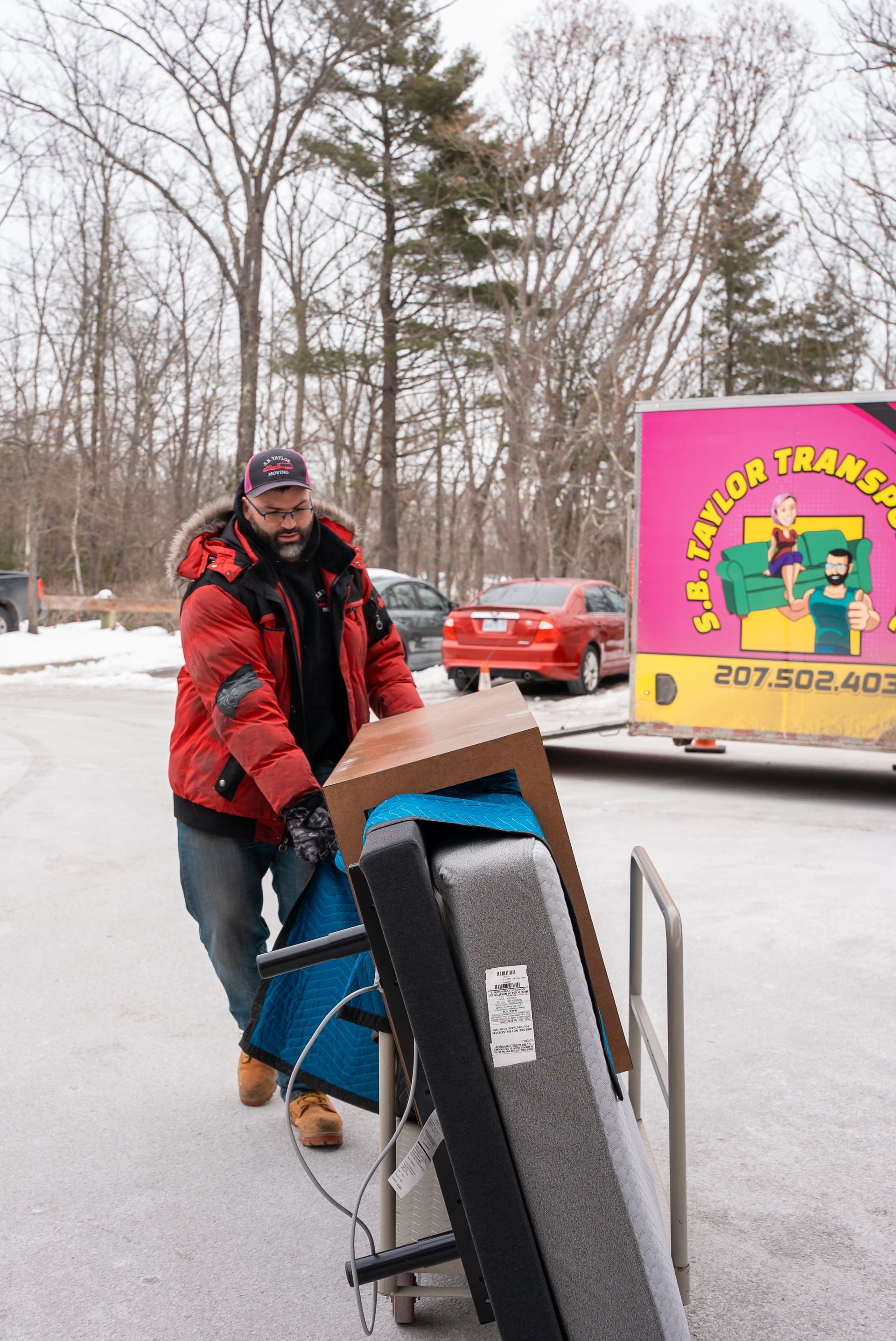
When families call S.B. Taylor Moving, they're often surprised to learn that we do much more than carry boxes.
Because of my background in memory care and senior services, I've built relationships with professionals across southern Maine who specialize in helping families just like yours. When you work with us, you're not just getting movers—you're getting connected to an entire network of support.
Our Network Includes
- Senior living placement specialists who can help you find the right facility based on your parent's needs, personality, and budget—at no cost to you. They know which communities have memory care wings, which ones allow pets, which ones have the best staff ratios.
- Real estate agents who specialize in senior transitions and understand that selling Mom's house isn't just a transaction. They know how to be patient, how to communicate with families who are grieving, and how to handle homes that need significant cleanout before listing.
- Estate sale coordinators and cleanout services for when there's simply too much to sort through. We partner with people who treat your parent's belongings with respect, not like a burden.
- Donation partners like Furniture Friends who can give your parent's beloved belongings a second life with families who need them. There's real comfort in knowing that Mom's dining table will feed another family.
We're not just movers. We're the phone call that connects you to everyone else you need.
What Makes a Senior Move Different
A young professional moving across town needs efficiency. A senior leaving their home of decades needs something else entirely.
They need time to say goodbye to the roses they planted when the kids were small. They need patience when they change their mind about what to keep for the third time. They need someone who understands that the chipped coffee mug isn't worth anything—except it's the one their late spouse used every morning for 50 years.
My crews aren't just strong backs. They're trained in dementia communication, trauma-informed care, and the gentle art of honoring someone's dignity during one of the hardest days of their life. Many of our team members have their own experience caring for aging family members.
We're caregivers who happen to move furniture.
A Note for Real Estate Professionals
If you work with seniors or their adult children, you already know these transactions are different. The timeline is unpredictable. The emotions run high. The house often needs significant cleanout before it can even be listed.
We'd love to be a resource for you and your clients.
Whether you need a referral partner who can handle the physical transition with care, someone to coordinate donations and estate cleanouts, or just a compassionate voice to recommend when a family calls you overwhelmed—we're here.
Our Taylor'd Transitions program was built specifically for situations like these. We understand that when you refer a client to us, your reputation is on the line. We take that seriously.
Let's talk about how we can support your senior clients together.
The First Step Is the Hardest
If this holiday season opened your eyes to changes in your parent, here's my advice: don't wait until there's a crisis.
A fall. A wandering incident. A kitchen fire. These are the emergencies that force families into rushed decisions with no good options.
Starting the conversation now—even if the move is six months or a year away—gives everyone time to adjust. Time to find the right living situation. Time to sort through a lifetime of memories without the pressure of a closing date. Time to do this with your parent instead of to them.
And when you're ready, we'll be here. Not just to move boxes, but to walk beside you through all of it.
S.B. Taylor Moving
Caregivers Who Move
Serving York and Cumberland Counties, Maine
Senior Transitions • Estate Cleanouts • Trauma-Informed Care