Packing With Packing Peanuts
The Essential Role of Packing Peanuts
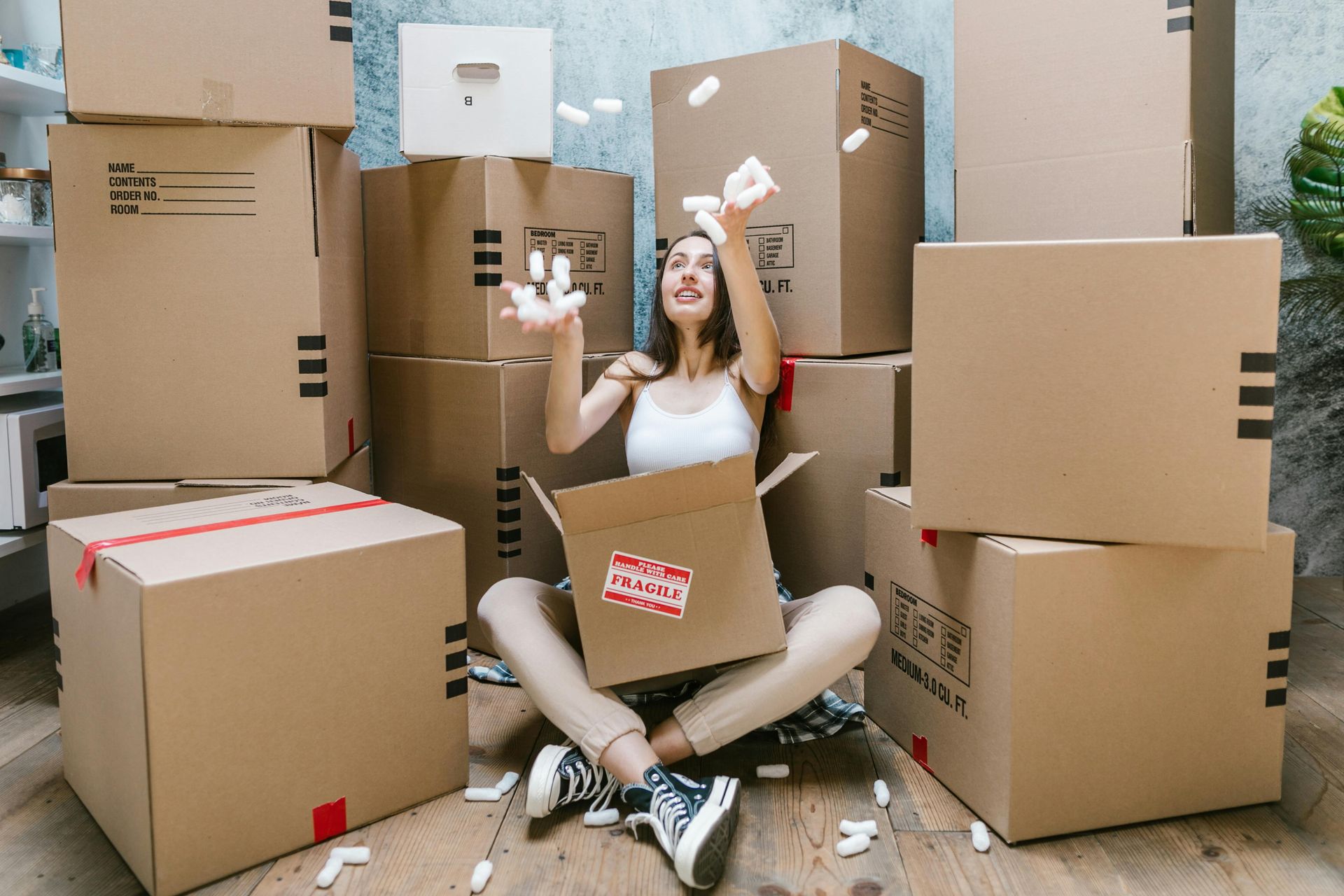
Packing peanuts are a popular packing material used to protect fragile items during shipping and moving. They're lightweight, versatile, and effective at filling voids in boxes to prevent items from shifting and breaking. Here’s how and when to use packing peanuts effectively:
When to Use Packing Peanuts
Packing peanuts are particularly useful in the following scenarios:
- Fragile Items: They are excellent for protecting items that are breakable or have irregular shapes, such as ceramics, glassware, and collectibles.
- Electronics: For packing electronic items that need to be cushioned against shocks and vibrations.
- Filling Voids: Packing peanuts can fill up empty spaces in boxes to prevent the contents from moving around during transit.
- Multiple Small Items: When packing a box with several small items that could shift easily, packing peanuts can stabilize them.
Types of Packing Peanuts
There are primarily two types of packing peanuts:
- Styrofoam Peanuts: These are the traditional type, made from expanded polystyrene. They're effective but not environmentally friendly as they do not biodegrade easily.
- Biodegradable Peanuts: Made from natural, non-toxic sources such as wheat and corn starch, these peanuts dissolve in water and are a more eco-friendly option.
How to Use Packing Peanuts
Using packing peanuts effectively involves a few key steps:
1. Choose the Right Box: Ensure the box is sturdy enough to hold your items and the peanuts without bulging or breaking.
2. Layer the Bottom: Before placing your items inside, add a layer of packing peanuts to the bottom of the box to create a cushioning base.
3. Wrap Items Individually: For the best protection, wrap each item individually in bubble wrap or packing paper before placing them in the box.
4. Fill the Gaps: After placing the items in the box, pour packing peanuts around and on top of the items to fill all gaps. Gently shake the box to let the peanuts settle and add more if necessary to ensure there is no movement when you shake the box.
5. Top It Off: Before sealing the box, add a final layer of packing peanuts to create a buffer between your items and the top of the box.
6. Seal and Label: Securely tape the box closed and label it clearly with its contents and handling instructions, such as "Fragile" or "This Side Up."
Tips for Using Packing Peanuts
- Check for Dust: Some packing peanuts can create dust which may settle on items. It’s a good idea to keep electronics and other sensitive items in bags or wrapped in additional layers.
- Recycling and Disposal: Encourage the reuse or proper disposal of packing peanuts, especially Styrofoam types which are not biodegradable. Many shipping stores accept used packing peanuts for recycling.
- Avoid Overpacking: While it's important to fill voids, overpacking with peanuts can put unnecessary pressure on the contents, potentially causing damage.
Conclusion
Packing peanuts can be an excellent tool for ensuring the safety of your items during a move when used properly. They provide cushioning and prevent movement, which is critical for fragile and valuable items. By choosing the right type of peanuts and employing proper packing techniques, you can greatly enhance the protection of your belongings during transit.