She Didn’t Want to Let Go of the Tupperware — And Now She Tells Everyone to Just Get Rid of It All
Think about your junk drawer.
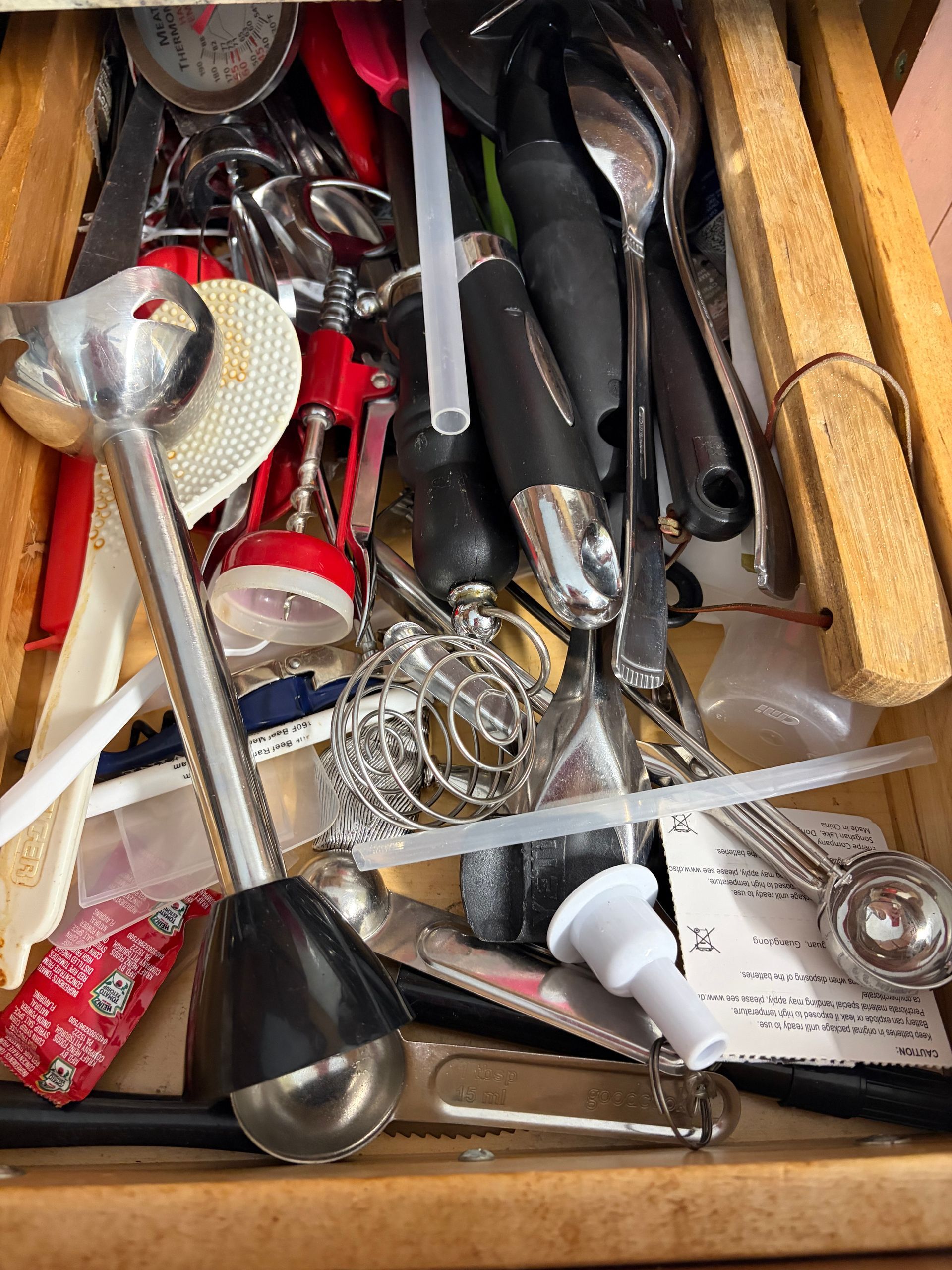
Think about your junk drawer.
You know the one. The drawer that has batteries that might be dead, a tape measure you forgot you owned, menus from restaurants that closed years ago, a key to something you no longer remember. You keep it because someday you might need it. Because throwing it away feels like a small, foolish loss. Because it’s easier to close the drawer than to decide.
Now take that feeling — that low hum of I might need this, I’m not ready, what if I let go of the wrong thing — and apply it to an entire lifetime.
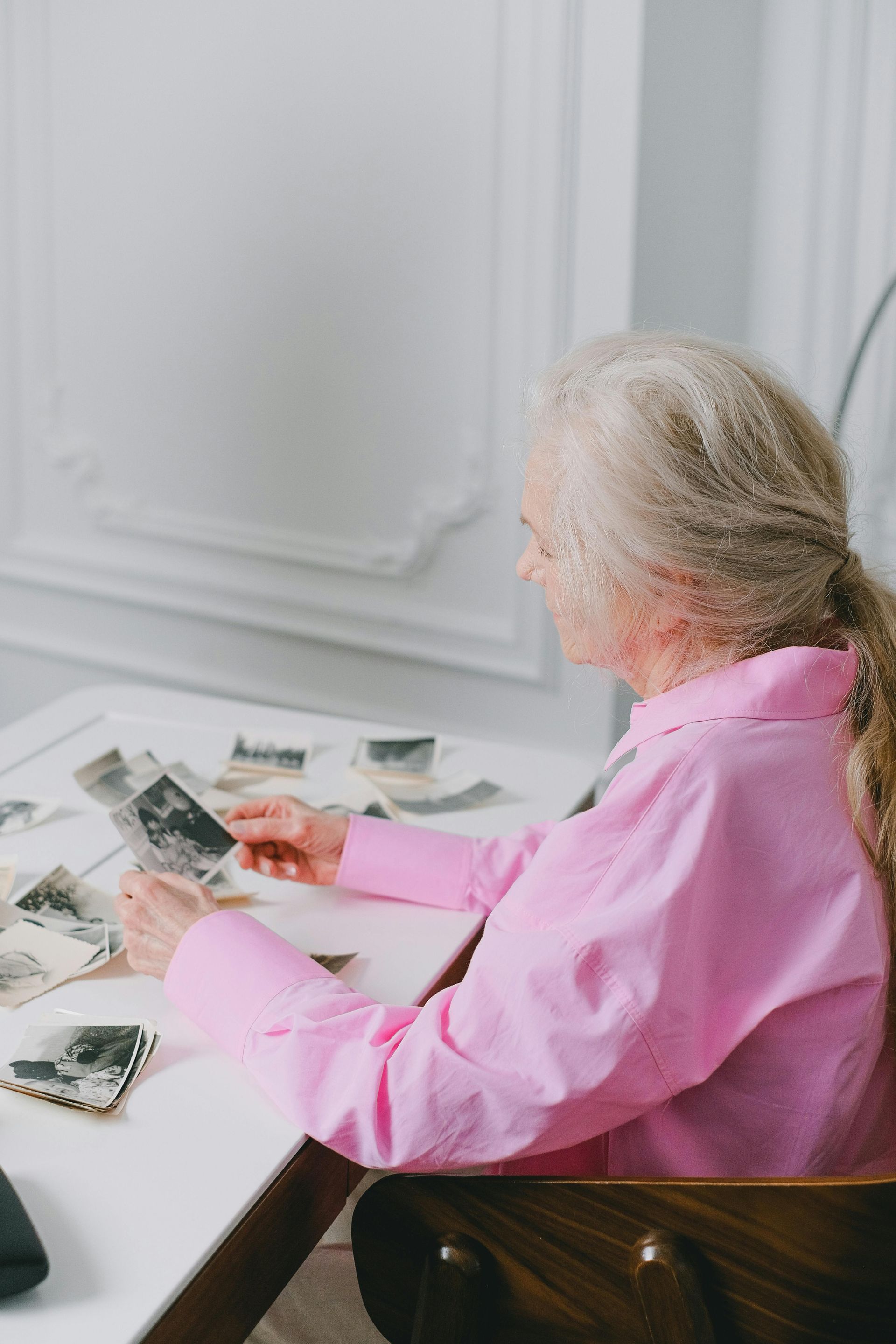
A kitchen you cooked in for forty years. A closet full of clothes that fit a version of you that no longer exists. A scrapbook from your mother that no one else in the world would want, that has nowhere to go, that belongs to no one but you — and that you cannot take with you.
That is what downsizing actually is. Not a logistics project. A reckoning.
A woman who held on with both hands.
I want to tell you about a woman who almost didn’t make it to the other side of hers.
Not because she was ill. Not because anything went wrong. But because she held on so tightly — to her pantry, her Tupperware, her space, her kitchen, her independence, her identity — that getting her through the door of her next chapter felt, at times, nearly impossible.
Her husband was carrying everything. The logistics. The decisions. The phone calls. And her grief — quietly, steadily, the way devoted partners do when the person they love is struggling and they simply keep showing up, day after day, without being asked.
She could no longer cook the way she once had. Cleaning had become a weight. But this was her home. The place she had been herself for decades. And she was not ready to leave it.
It was never really about the Tupperware.
When someone won’t part with a pantry full of food they will never eat, or holds twenty years of storage containers with the same grip they’d use for a photograph — that is not irrationality. That is fear dressed up as practicality.
What she was saying, in every moment she refused to release something, was this: if I let go of this, I let go of who I am. If I leave this kitchen, I leave the woman who ran it. If I walk out that door without everything, I don’t know who I’ll be on the other side.
That is one of the most human fears there is. And it does not respond to logic. You cannot reason someone out of it. You cannot make a spreadsheet convincing enough to release a life.
What you can do is give them time. Give them patience. Give them the one thing that is often in the shortest supply during a move: dignity.
“You cannot reason someone out of it. You cannot make a spreadsheet convincing enough to release a life.”
Weeks of sorting. And a truth nobody warned them about.
Before we ever arrived, this family had already been at it for weeks.
They brought in outside help. They sorted through everything methodically, room by room. They tried to sell what they could — hoping their belongings would find new homes, new purpose, new meaning in someone else’s life. They offered things to their children. They reached out to friends.
It was much harder to offload than anyone expected.
This is something families are rarely prepared for, and it is one of the cruelest surprises of this process: the world does not want your things the way you need them to be wanted.
The dining table that seated every holiday gathering for thirty years. The china that only came out for the good occasions. The collections. The tools. The furniture built to last a lifetime — which it did, and now has nowhere left to go. Adult children who live across the country, in smaller homes, in different seasons of their own lives, who simply cannot take it — even when they wish they could. Even when it hurts them to say no.
That is a grief entirely separate from the leaving. The realization that what you treasured may not have a destination. That the story might end with you rather than continue through someone else.
We see this in home after home. And we never, ever rush past it.
What we were called in to do — and why it mattered more than the move itself.
By the time this family called us, the hardest emotional work had already been done. They had sorted, grieved, negotiated, and decided. What they needed now was a team they could trust with what remained.
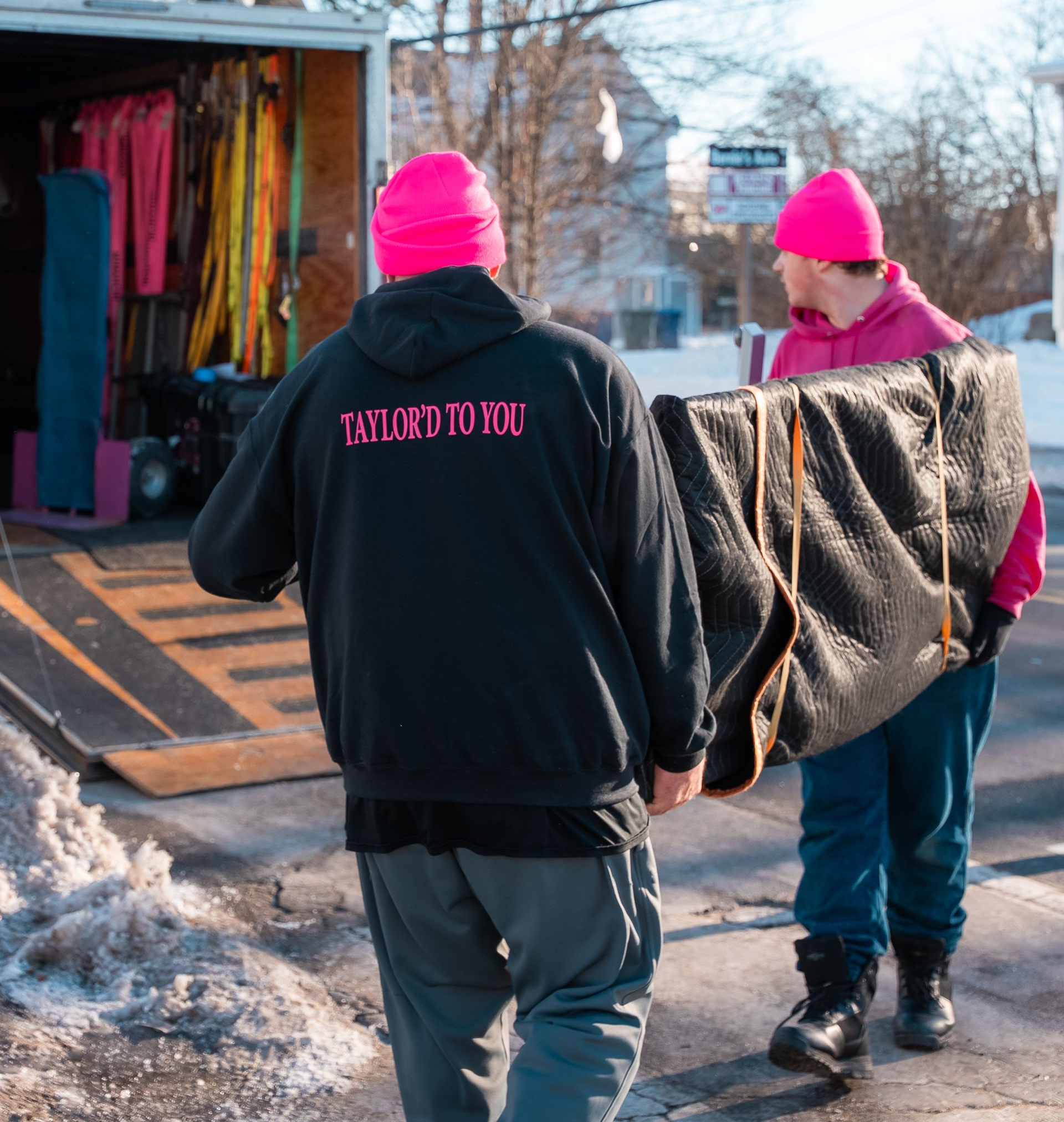
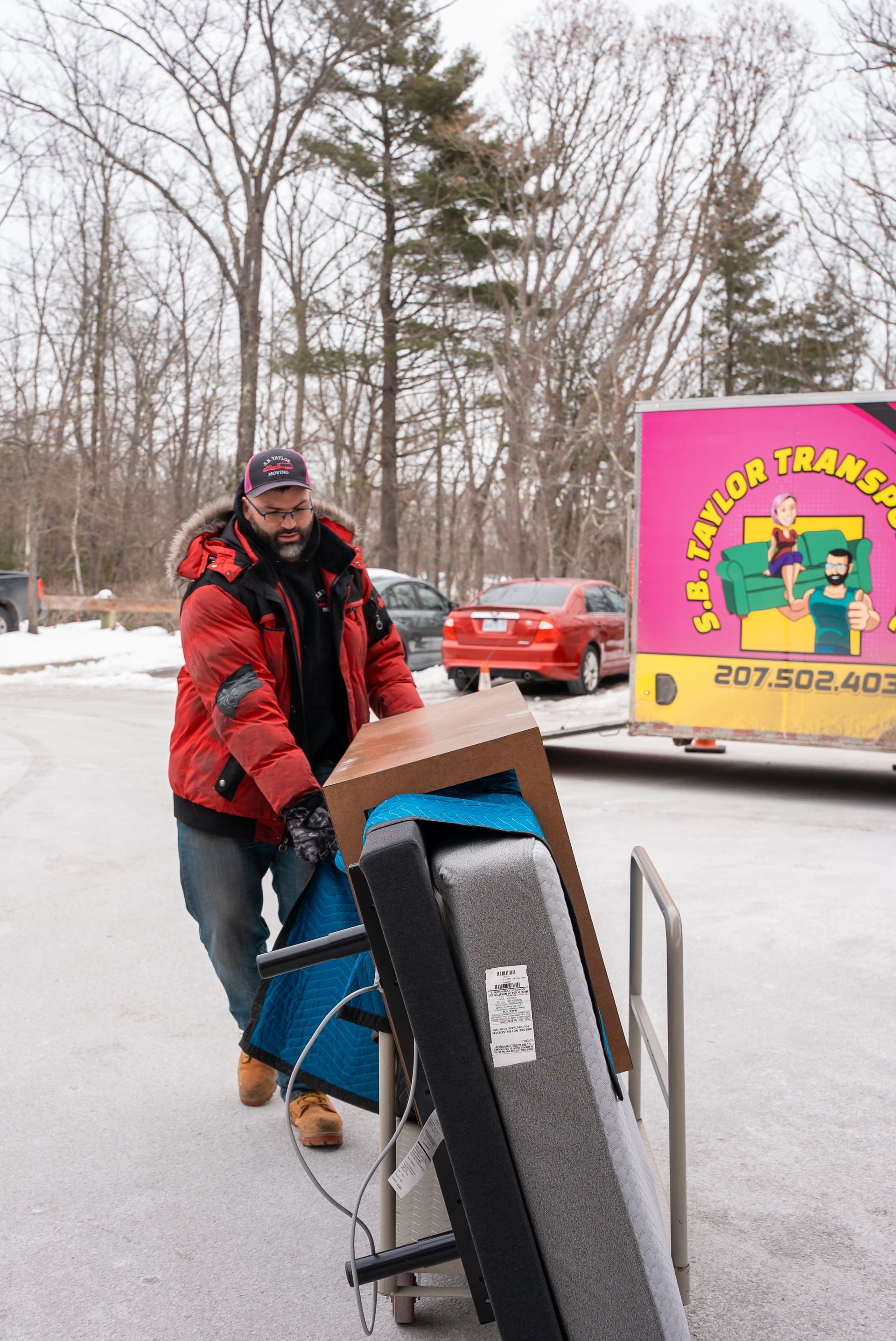
We came in to pack what they had chosen to keep. Every item that earned its place in the next chapter was handled with care. Not because we were being performative about it — but because we understood what it had cost them to get to this box.
We also transported donations directly to the facilities they chose. Not a generic drop-off. Their organizations. Their decision. Their final act of intention over the things they were releasing.
That matters more than it sounds. When someone has spent weeks watching the world struggle to receive what they’ve spent a lifetime building — when their children said no, when the estate sale yielded less than expected, when the things they loved most turned out to have no clear destination — being handed back even a small measure of control can change everything.
I choose where this goes. I decide what gets honored and how.
That is autonomy. And for someone navigating one of the most disorienting transitions of their life, autonomy is everything. It is the difference between a move that feels like something happening to you and one that feels like something you chose.
“That is the difference between a move that feels like something happening to you and one that feels like something you chose.”
This is one of the last places they will ever call home.
I want to say something here that doesn’t get said enough in this industry.
For many of the people we move, this is not just a hard transition. It is, in the timeline of their life, one of the final ones. And the downsizing does not stop here.
We watch it happen. A family home becomes a smaller apartment. The apartment becomes a room in an assisted living facility. The room eventually becomes a single closet worth of belongings. Each move, the space gets smaller. Each move, another round of what do I keep, what do I release, who am I becoming without all of this.
We spend our whole lives accumulating — objects, memories, rooms full of evidence that we were here, that we mattered, that we built something. And then the last chapters ask us to let it go, piece by piece, with grace, until there is almost nothing left to decide.
That is not a tragedy. It is just the truth of a life fully lived.
But it means that when we walk into someone’s home on moving day, we are not walking into a job site. We are walking into the last chapter of someone’s longest story. And that deserves something more than a rushed crew with somewhere else to be.
It deserves patience. It deserves gentleness. It deserves the kind of care you would want for your own mother, your own grandmother, yourself.
That is the standard we hold ourselves to. Every time. Not because it’s good marketing — but because we have sat with people at the end of their lives, in memory care and hospice and veteran facilities, and we know what it looks like when someone feels seen in their final chapters. And we know what it looks like when they don’t.
We choose to be the former. Always.
“We are not walking into a job site. We are walking into the last chapter of someone’s longest story.”
How to talk to a loved one who isn’t ready.
If you are a spouse, an adult child, or a close friend trying to support someone through this kind of resistance — first, take a breath. You are not failing. These conversations are genuinely hard, and the fact that you are still showing up says everything.
A few things that tend to open the door rather than close it:
- Lead with curiosity, not solutions. Instead of “you need to downsize,” try “what feels hardest about the idea of moving?” Let them name it. Fear shrinks when it’s spoken out loud.
- Separate the stuff from the identity. Help them see that their memories, their stories, and who they are do not live in the objects — they live in them. The Tupperware is not the life. They are.
- Talk about what they’re moving toward, not just what they’re leaving. What won’t be their responsibility anymore? What might they finally have time and energy for?
- Give them back the wheel wherever you can. Let them choose the donation organizations. Let them decide what gets packed first. Small acts of agency make the whole process feel less like a loss of control.
- Find someone who has made the transition and is thriving. Sometimes the most powerful conversation isn’t with family — it’s hearing it from a peer. Someone the same age, in a similar situation, who got to the other side and never looked back.
And then there is the moment when you realize: I have said everything I know how to say. I have had this conversation a hundred times. I love this person and I cannot be the one to move them forward anymore.
That is not giving up. That is wisdom.
Sometimes you need someone outside the family to have the conversation.
There is something that shifts when a neutral, caring voice enters the room — someone who isn’t carrying twenty years of family history into the conversation, who doesn’t have their own grief about the transition, who isn’t exhausted from asking.
That is part of what we do.
We are not therapists. But we are people who have been inside hundreds of these moments. We understand the fear underneath the resistance. We know how to sit with someone in it without pushing them off a cliff. We know how to ask the questions that help someone start to see their own path forward — not our path, not the family’s path. Theirs.
Sometimes a person just needs to hear it from someone who isn’t their child or their spouse. Someone with no history and no agenda except getting them to a better place. Someone who isn’t heartbroken about it, and who can therefore be steady in a way that the people who love them most simply cannot be right now.
We have helped families break through years of stalled conversations — not by forcing anything, but by showing up differently. By being the bridge between where someone is and where they’re trying to go. By sitting in the kitchen and listening before we ever pick up a single box.
If you are at that point — if you have run out of road — call us. You do not have to keep being the only one carrying this.
What she said afterward.
She chose what she could fit. And she went.
It wasn’t perfect or graceful. There were hard moments and harder conversations. But she went.
She walked into that retirement community carrying what she’d chosen to bring, and leaving behind — in facilities of her choosing, in the hands of people who would use them — what she’d finally agreed to release.
And then something happened that we have watched happen again and again, in home after home, move after move.
She exhaled.
“I wish I would have done it sooner.”
“Just get rid of it all. It’s holding you back.”
“We never have to worry about food, or cleaning, or being alone.”
“This is the best decision we ever made.”
That woman is now thriving more than she has in forty years. She is social. She is cared for. She is relieved in a way her whole body shows — in her face, in how she moves, in how she talks about her life now.
The retirement community she moved into knows it. They tour prospective residents to see her and her husband. They have become the living proof — the testimony that the community points to and says: this is what is possible when you walk through the door you were afraid to open.
She tells everyone. She would tell you herself, if she could.
The woman who wouldn’t let go of the Tupperware.
“The memories do not live in the containers. They live in you. And they will follow you anywhere.”
If you are the one who is not ready.
I understand. You are not wrong to grieve this. You are not being difficult. You are being human.
But I have stood in enough homes, and watched enough people walk through that door and never look back, to tell you with certainty:
What is waiting on the other side of this move is better than what the fear is telling you.
The things you are holding do not hold you up. The memories do not live in the containers. They live in you. And they will follow you — into a smaller space, into a new community, into a life that asks far less of your body and gives far more to your days.
You can take the scrapbook or you can leave it. Either way, you carry your mother with you.
That part never gets left behind.
S.B. Taylor Moving | South Portland, Maine | Caregivers who happen to move furniture.
Serving York & Cumberland Counties | www.sbtaylormoving.com